Addressing Rust and Corrosion in Colorbond Fencing
Table Of Contents
Repairing Rust Damage on Colorbond Fencing
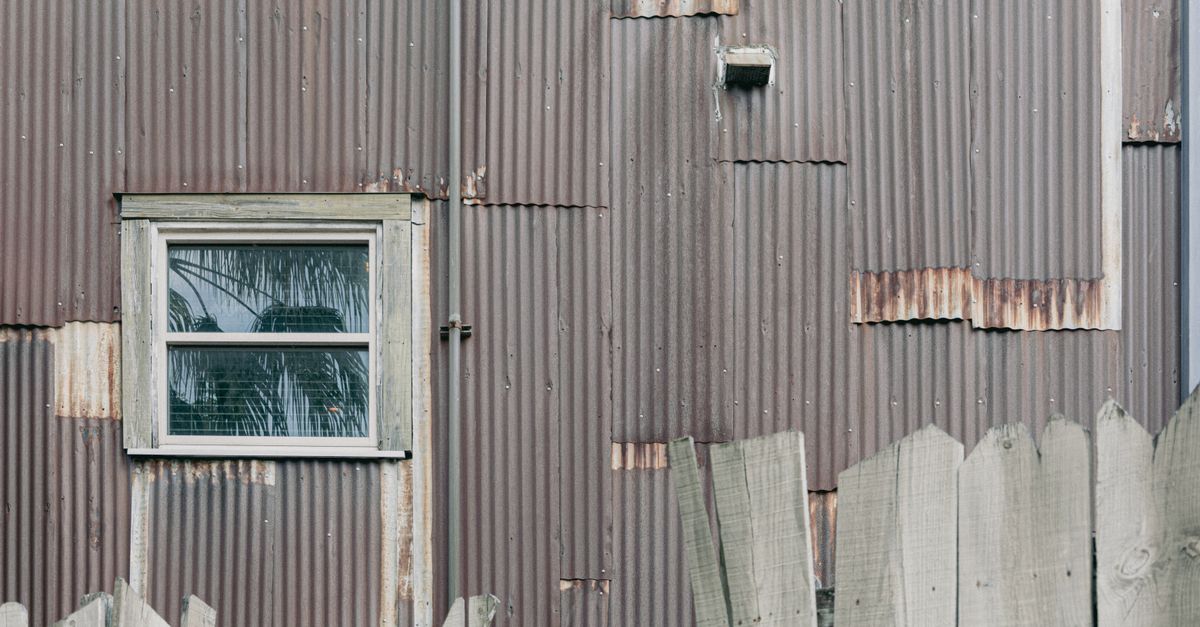
Rust damage on Colorbond fencing can compromise its aesthetic appeal and structural integrity. Addressing this issue promptly helps maintain the overall appearance and longevity of the fence. Begin by identifying any rust spots, as these can often be overlooked. A thorough inspection is essential, looking for signs of flaking paint or bubbling, which indicates underlying corrosion.
For small rust areas, a simple repair method is sufficient. Sand the affected area to remove rust down to the bare metal. After this, clean the surface with a suitable cleaner to eliminate dust and debris. Apply a rust-inhibiting primer followed by a matching Colorbond paint. This not only helps blend the repaired area with the rest of the fence but also provides additional protection against future rust formation. Regular maintenance checks can significantly reduce the need for extensive repairs over time.
Step-by-Step Repair Process
Begin by assessing the extent of the rust damage. Look for discoloured patches or flaking paint on the Colorbond surface. If rust is present, use a wire brush or sandpaper to remove loose rust and paint. Clean the area thoroughly with water and allow it to dry completely before proceeding with repairs. If needed, treat any significant rust spots with a rust-inhibiting primer to create a barrier against future corrosion.
Next, patch any holes or deeper rust issues with appropriate materials. For small areas, a suitable filler might suffice, while larger problems may require replacing the affected panel or section. After ensuring the surface is smooth and free of debris, apply touch-up paint that matches the existing Colorbond finish. This not only restores the aesthetic but also adds an extra layer of protection to prevent moisture penetration and further rust formation.
Upgrading to Rust-Resistant Colorbond Options
For homeowners looking to enhance the longevity of their fencing, considering rust-resistant options can be a wise investment. New variations of Colorbond materials have been developed to offer superior protection against the elements. These products often incorporate advanced coatings and treatments that help keep moisture at bay, significantly reducing the risk of rust formation over time.
In addition to standard offerings, manufacturers are continually innovating to provide solutions tailored to Australian conditions. This includes options with improved UV resistance and durability, making them suitable for even the harshest environments. By selecting the latest rust-resistant Colorbond fencing, property owners can enjoy the aesthetics of a stylish fence while benefiting from enhanced resilience and reduced maintenance costs.
Latest Innovations in Colorbond Materials
Recent advancements in Colorbond materials have led to the development of innovative coatings that enhance durability and resistance to rust. These new finishes incorporate advanced technologies that not only protect the metal surface but also resist fading and maintain aesthetic appeal over time. The use of improved base metals further strengthens the overall structure, making it less susceptible to the harsh Australian climate.
Manufacturers have also introduced galvanised and aluminium options designed specifically to withstand severe weather conditions. These materials are engineered for optimal performance in various environments, ensuring longevity and minimal maintenance. Additionally, suppliers are increasingly focusing on eco-friendly manufacturing processes, promoting sustainability in the production of Colorbond fencing while enhancing its protective qualities.
The Role of Proper Installation in Preventing Rust
Effective installation is crucial in preventing rust issues in Colorbond fencing. Proper alignment and secure fastening will ensure that water does not accumulate in vulnerable areas. Additionally, maintaining adequate spacing between panels allows for airflow, reducing moisture retention. Taking time to check this during the installation process can save homeowners from significant repairs in the future.
Selecting the right tools and techniques also plays a vital role in the longevity of the fencing. Using high-quality fasteners designed for outdoor use limits reactions with the Colorbond coating. Ensuring that every component is installed according to industry standards helps in maintaining the integrity of the fencing. Attention to detail throughout the installation process will contribute to a robust defence against rust over time.
Key Installation Guidelines
Proper installation of Colorbond fencing plays a vital role in mitigating rust and corrosion risks. Ensuring that materials are handled correctly is essential to avoid compromising their integrity. When placing posts, it is important to use concrete that is appropriately cured, as inadequate curing can lead to shifting. Additionally, ensuring that the ground is well-drained prevents water accumulation, which can expedite rust formation.
Using high-quality fasteners specifically designed for Colorbond metal adds an extra layer of protection. Galvanised or stainless steel screws are preferable, as they resist corrosion better than standard steel. Maintaining a slight gap at the bottom of the fence also facilitates airflow, further reducing moisture exposure. Regular inspections after installation can help catch early signs of rust, allowing for timely interventions.
FAQS
What causes rust on Colorbond fencing?
Rust on Colorbond fencing is generally caused by exposure to moisture, scratches or damage to the protective coating, and the presence of contaminants that can lead to corrosion.
How can I repair rust damage on my Colorbond fence?
To repair rust damage, clean the affected area thoroughly, sand down any rust, apply a rust-inhibiting primer, and then repaint with a Colorbond-specific paint to ensure a seamless finish.
Are there rust-resistant Colorbond options available?
Yes, there are upgraded Colorbond options that are specifically designed to be more rust-resistant, featuring advanced coatings and materials that enhance durability against corrosion.
How does proper installation prevent rust on Colorbond fencing?
Proper installation ensures that the fencing is correctly positioned and sealed, allowing for optimal drainage and reducing the chances of water pooling, which can lead to rust and corrosion.
What are some key guidelines for installing Colorbond fencing?
Key installation guidelines include ensuring proper alignment, using the right fasteners to avoid galvanic corrosion, and allowing adequate spacing to prevent moisture buildup.
Related Links
Solutions for Bent or Damaged Colorbond SheetsFixing Colour Fading on Your Colorbond Fence
Solutions for Bottom Rail Problems in Colorbond Fencing
Repairing Base Issues in Installed Colorbond Fencing
How to Handle Colourbond Fencing Wind Damage