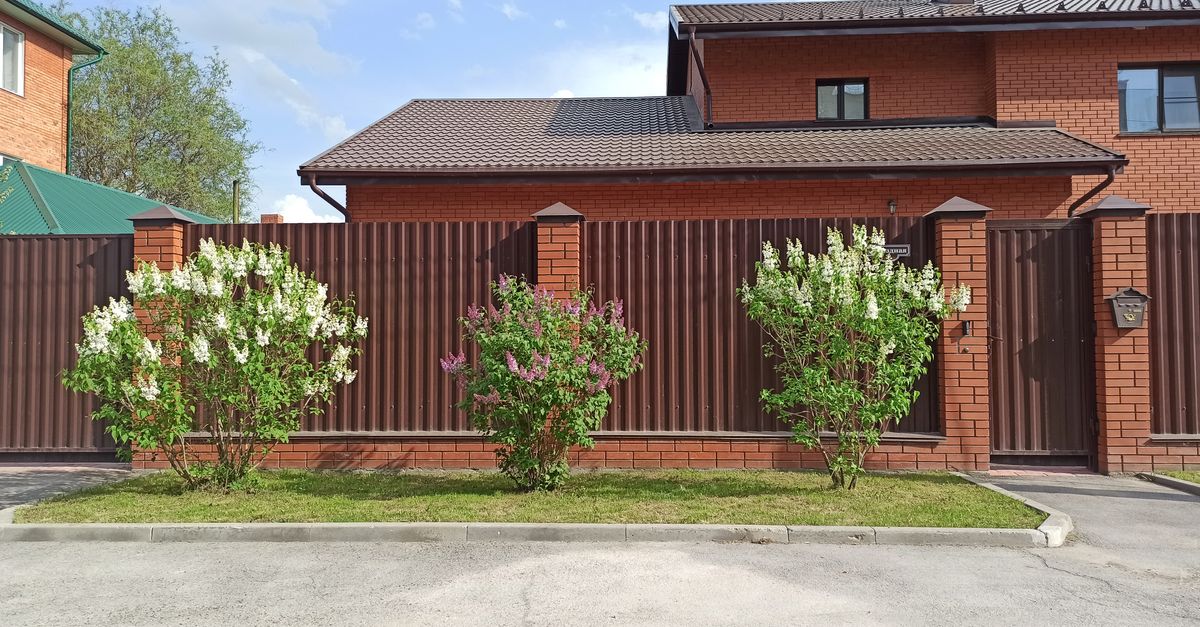
Cost-Effectiveness of Low Maintenance Colorbond Fencing Solutions
Table Of Contents
Environmental Impact Considerations
The choice of materials for fencing has significant implications for the environment. Colorbond fencing stands out due to its production process, which incorporates recyclable steel. This reduces the demand for raw materials and diminishes its carbon footprint. Furthermore, its longevity reduces the frequency of replacement, thereby limiting construction waste. The surface coating used in Colorbond fencing also decreases the need for harmful paints or preservatives often associated with timber, promoting a healthier environment.
On the other hand, timber fencing contributes to deforestation and habitat destruction when sourced unsustainably. While treated timber is an option, the chemicals involved pose potential environmental risks during decomposition. Vinyl fencing, although durable, is made from non-renewable resources and is often not recyclable. Colorbond, with its sustainable advantages and lesser environmental impact, presents a more eco-friendly choice for property owners looking to minimise their ecological footprint.
Sustainability of Colorbond Materials
Colorbond materials are manufactured using steel, which is one of the most recyclable materials available. The production process involves minimal waste, as offcuts and scrap steel can be salvaged and reused. This contributes to a reduced environmental footprint compared to materials that cannot be recycled as easily. In addition, Colorbond fencing is designed to withstand the elements, decreasing the need for replacement and maintenance over its lifespan. This durability reduces overall resource consumption, aligning with sustainable practices.
The coatings applied to Colorbond materials provide a long-lasting finish that resists fading and corrosion. These coatings are also formulated to reflect heat and UV rays, which can help to lower energy costs for surrounding structures. The longevity of Colorbond fencing not only lessens landfill contributions but promotes a lifecycle that encourages sustainability. Overall, investing in Colorbond fencing can lead to a more eco-friendly choice for homeowners looking to improve their outdoor spaces while being mindful of environmental impacts.
Installation Process Overview
The installation of Colorbond fencing is a straightforward process that can significantly enhance property aesthetics and security. First, it is essential to assess the area where the fence will be erected. Proper measurements must be taken to ensure that the panels fit perfectly within the designated space. Once measurements are confirmed, the next step involves setting the posts, which are typically anchored in concrete to provide stability. Careful alignment of the posts is crucial, as they serve as the structural backbone of the entire fence.
Depending on expertise and resources, homeowners may choose to hire professionals or undertake the installation themselves. Professional installers usually complete the project quickly and efficiently, ensuring a high standard finish. DIY enthusiasts can benefit from comprehensive guides and tutorials available online. While installing the fence independently can save money, it requires careful planning and consideration to avoid potential setbacks during the process. The availability of tools and materials should also be considered when deciding between professional help and personal effort.
Professional vs. DIY Installation
When choosing between professional installation and a do-it-yourself approach, several factors come into play. Engaging experienced professionals ensures that the fencing is installed correctly and adheres to local regulations. Their expertise minimises the risk of errors that could lead to costly repairs or replacements in the future. Additionally, experts can often complete the job much faster than most DIYers, allowing homeowners to enjoy their new fencing without the hassle of a prolonged setup.
On the other hand, opting for a DIY installation can be appealing for those looking to save on costs and gain hands-on experience. With the right tools and a comprehensive guide, installing Colorbond fencing is achievable for many homeowners. However, it's crucial to consider the time commitment and the potential for mistakes, which might ultimately lead to higher costs if adjustments are needed later. Individuals should weigh their skill level and availability against the assurance that comes with hiring professionals.
Comparisons with Other Fencing Options
When evaluating fencing options, Colorbond fencing stands out for its durability and low-maintenance features compared to traditional timber and vinyl. Timber often requires regular treatments to withstand weather conditions, making it less appealing for those seeking long-term solutions. In contrast, Colorbond is built to resist rust, termites, and fading, promising a consistent appearance over the years without the upkeep that timber demands.
Vinyl fencing offers an attractive alternative with minimal maintenance, yet it often falls short in terms of durability when faced with extreme heat or UV exposure, leading to warping or discolouration. Colorbond, on the other hand, retains its structural integrity and aesthetic appeal even under harsh Australian conditions. The metal construction provides a strong barrier against environmental damage, further enhancing its appeal as a robust fencing solution.
Weighing Colorbond Against Timber and Vinyl
When considering fencing materials, durability plays a pivotal role in the decision-making process. Colorbond fencing is engineered to withstand harsh Australian climates, offering superior resistance to rust, rot, and termite damage compared to timber. In contrast, timber fences can require regular maintenance, such as staining or painting, to prolong their lifespan, which adds to overall costs. Vinyl, while resistant to fading and easy to clean, can be susceptible to cracking in extreme temperatures.
Cost efficiency also factors significantly into the analysis of these materials. Although the initial investment for Colorbond fencing may be higher than timber options, its low maintenance needs and longevity often result in lower long-term costs. Timber fences not only demand maintenance but also have a shorter lifespan, leading to more frequent replacements. While vinyl can offer longevity and low upkeep, its higher price point compared to Colorbond can make it less appealing for budget-conscious consumers.
FAQS
What is Colorbond fencing?
Colorbond fencing is a durable and low-maintenance fencing solution made from pre-painted steel. It offers various colour options and is designed to withstand harsh weather conditions while providing a modern aesthetic.
How does Colorbond fencing contribute to sustainability?
Colorbond materials are made using recyclable steel and are designed for longevity, reducing the need for frequent replacements. This minimises waste and decreases the environmental impact associated with sourcing new materials.
What are the advantages of professional installation versus DIY installation for Colorbond fencing?
Professional installation ensures that the fencing is erected correctly and efficiently, providing a guarantee of quality. DIY installation can save on labour costs but may require more time, effort, and expertise to achieve the desired results.
How does Colorbond fencing compare to timber fencing in terms of cost-effectiveness?
While the initial cost of Colorbond fencing may be higher than timber, it often proves more cost-effective over time due to its durability, low maintenance needs, and resistance to weather and pests, reducing replacement and repair expenses.
Can Colorbond fencing be painted or customised further after installation?
Colorbond fencing comes in a variety of pre-finished colours and textures, and while it is not recommended to paint over it, any alterations or enhancements should be discussed with a professional to ensure they do not void any warranties.
Related Links
How Low Maintenance Features Enhance Colorbond Fencing LongevityAdvantages of Low Maintenance in Colorbond Fencing
The Impact of Low Maintenance Features on Property Value
Seasonal Care Tips for Low Maintenance Colorbond Fencing
Comparing Low Maintenance Colorbond Fencing with Traditional Fencing
Effortless Cleaning Techniques for Colorbond Fencing
Understanding the Minimal Care Needs of Colorbond Fencing