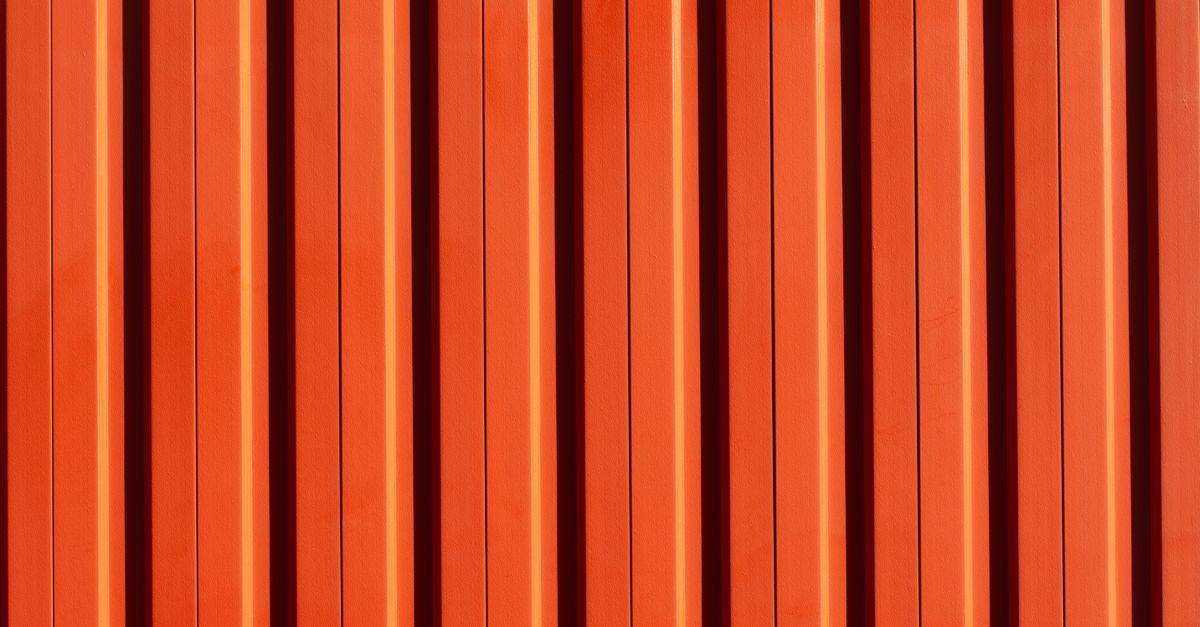
Designing a Welcoming Entry with Decorative Colorbond Fencing
Table Of Contents
Cost Considerations for Colorbond Fencing
When considering the investment in Colorbond fencing, it is essential to account for various factors that influence costs. Material quality plays a significant role; higher-grade Colorbond can elevate the overall price. Additionally, geographic location impacts costs due to variations in installation rates and availability of materials. Planning for future maintenance is also advisable, as Colorbond fencing requires less upkeep than traditional wood fencing, potentially saving money in the long run.
Labour costs vary depending on the complexity of the installation and local market conditions. Engaging a reputable contractor can lead to higher initial expenditures but often results in superior workmanship and longevity of the installation. DIY options are available and may reduce immediate costs, yet they demand time and expertise, which could lead to unforeseen expenses if not executed correctly. Balancing quality with budget will ensure that the fencing not only enhances the property’s aesthetic but also provides durable protection.
Budgeting for Quality and Aesthetic Appeal
Investing in Colorbond fencing represents a blend of functionality and style, making it essential to balance quality and aesthetic appeal in your budget. While initial costs may be higher than traditional materials, the long-term benefits often justify this expense. Colorbond is renowned for its durability, requiring minimal maintenance over time. Its resistance to rust, warping, and fading ensures that your investment remains visually appealing and structurally sound, potentially saving you money on repairs or replacements.
Choosing the right colour and style is equally crucial in creating a welcoming environment. The palette of Colorbond options allows homeowners to select hues that complement their property’s architecture and landscape. Incorporating these aesthetic elements can enhance curb appeal, raising overall property value. Allocating sufficient funds not only ensures the purchase of quality materials but also allows for professional installation, which can significantly impact the finished look of your fence.
Installation Tips for a Flawless Finish
Successful installation of Colorbond fencing relies on careful planning and preparation. Begin by marking the boundaries of your property clearly to ensure compliance with local regulations. Use a spirit level to establish a straight line for your fence panels. This ensures that your fence will not only look good but will also provide the necessary stability. Proper measurements are crucial, as even small errors can lead to significant issues during installation.
It's essential to gather all required tools and materials before starting the installation process. Consider using concrete to secure the posts, as this provides a strong foundation and enhances durability. Always check for underground utilities before digging holes for fence posts to avoid accidents. Taking these precautions will help create a seamless and professional-looking finish for your Colorbond fence.
Preparing Your Property for Fencing
Before installation, a thorough assessment of the area is essential. Clear any debris or obstacles that may impede the fencing process. Mark the perimeter where the Colorbond fencing will be installed to provide a clear guideline for the installers. Ensure that any existing structures, such as trees, garden beds, or outbuildings, are considered to avoid complications later.
It is also crucial to check local regulations and obtain any necessary permits. Some areas have specific rules regarding fencing heights and materials. Familiarising yourself with these regulations will streamline the installation. Communicate your intentions with neighbours to maintain a good rapport and address any concerns they may have regarding the project.
Colourbond Fencing vs Traditional Fencing
When comparing Colourbond fencing to traditional fencing materials such as timber or brick, several key factors come into play. Durability stands out as a significant advantage of Colourbond fencing. It withstands the harsh Australian climate, resisting rust, termites, and fading. In contrast, traditional fencing often requires more upkeep to maintain its appearance and structural integrity. Over time, traditional materials may warp or rot, which can lead to more frequent replacements, adding to long-term costs.
Aesthetics also plays a crucial role in the decision-making process. Colourbond fencing offers a modern, streamlined look that complements contemporary architecture. It comes in various colours, allowing homeowners to align their fencing with personal tastes and landscaping. Traditional fencing materials generally provide a more rustic or classic appeal, which some homeowners may prefer. The choice between these fencing options ultimately hinges on individual preferences and the specific needs of the property.
Weighing the Pros and Cons
When considering the option of Colorbond fencing, it's essential to evaluate its advantages and disadvantages. On the plus side, Colorbond fencing is highly durable and resistant to the elements, making it an ideal choice for various climates. Its range of colours allows for personalised aesthetic choices that can enhance the overall appeal of a property. Additionally, it requires minimal maintenance compared to traditional wooden fences, which often need regular treatments and repairs.
However, some drawbacks can influence the decision-making process. The initial cost of installing Colorbond fencing tends to be higher than that of traditional timber options, which may not fit every budget. Furthermore, while its modern appearance is appealing to many, it might not blend seamlessly with every architectural style or garden theme. Homeowners should weigh these factors carefully to determine which type of fencing aligns best with their specific needs and preferences.
FAQS
What is Colorbond fencing?
Colorbond fencing is a type of fencing made from pre-painted steel, known for its durability, low maintenance, and a variety of colours that can enhance the aesthetic appeal of any property.
How much does Colorbond fencing typically cost?
The cost of Colorbond fencing can vary depending on factors such as the height, design, and installation requirements, but it's generally considered a cost-effective choice when considering its longevity and minimal upkeep.
Can I install Colorbond fencing myself?
While it is possible to install Colorbond fencing yourself, it is recommended to hire professionals for a flawless finish, especially if you are not experienced in fencing installation.
How do Colorbond fencing colours compare to traditional wood fencing?
Colorbond fencing offers a wider range of colours that can be selected to match your home’s exterior, while traditional wood fencing typically comes in natural wood tones that may require staining or painting to achieve a specific look.
What are the potential downsides of Colorbond fencing?
Some potential downsides of Colorbond fencing include the initial cost being higher than some traditional fencing options and potential noise amplification during heavy rain or hail due to its metal construction.
Related Links
Colour Choices for Custom Decorative Colorbond FencingEnhancing Outdoor Spaces with Decorative Colorbond Fencing
Customising Your Home’s Look with Decorative Colorbond Fencing
Comparing Decorative Colorbond Fencing to Traditional Fencing Options
The Benefits of Choosing Decorative Colorbond Fencing
Unique Patterns and Designs in Decorative Colorbond Fencing
Top Trends in Decorative Colorbond Fencing for Melbourne Homes
Creative Ideas for Decorative Colorbond Fencing in Melbourne
The Role of Decorative Colorbond Fencing in Landscape Design