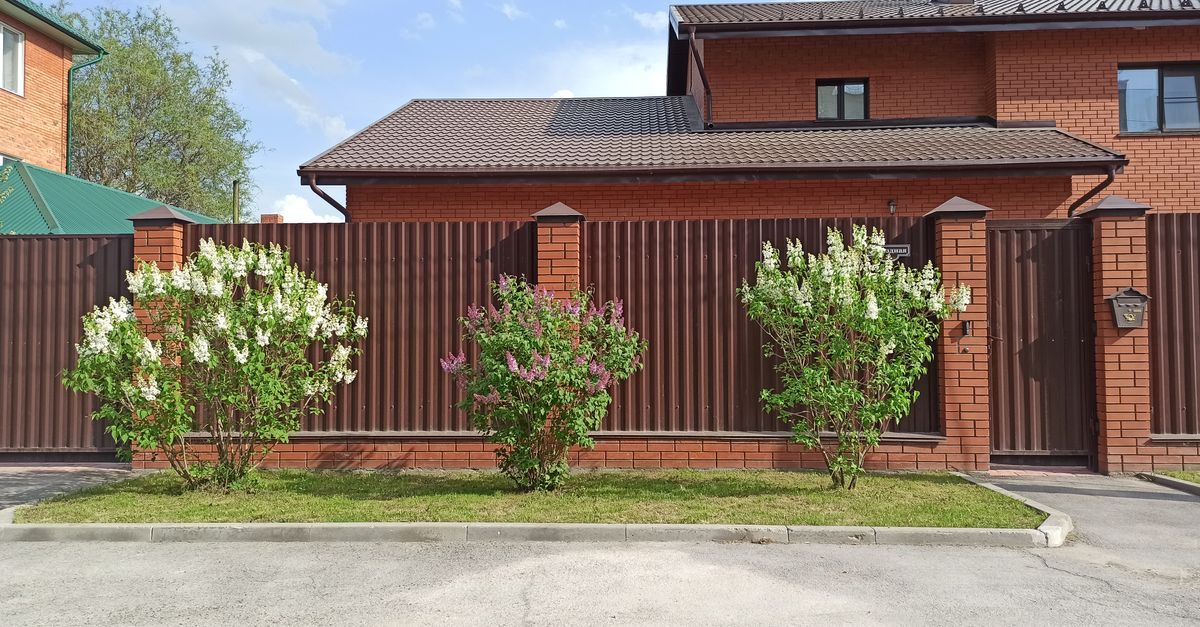
Impact of Melbourne's Winds on Colorbond Fence Stability
Table Of Contents
Maintenance Tips for Colorbond Fences
Regular inspections are essential to ensuring the longevity of Colorbond fences. Homeowners should conduct thorough checks at least twice a year. Look for any signs of rust, loose screws, or bending panels. Addressing these issues promptly can prevent more significant problems down the line. Routine cleaning can also help maintain the aesthetic appeal, with most surfaces easily wiped down using soapy water and a soft cloth.
In addition to regular inspections, applying a protective coating can enhance durability. This layer offers increased resistance against Melbourne’s unpredictable weather, particularly strong winds and heavy rain. Furthermore, moving garden items or other obstructions away from the fence line can help prevent unnecessary wear and tear. Engaging professional services for extensive repairs or alterations ensures that any structural changes uphold safety and stability.
Regular Inspections and Repairs
Routine checks of your Colorbond fence can significantly extend its lifespan. Inspect the panels for any signs of corrosion or damage caused by Melbourne's wind conditions. Look for loose screws and ensure that all fixtures remain tight. Cracks or warping may indicate structural issues. Early detection allows for timely repairs, which can prevent more extensive damage and costly replacements.
Maintaining the fence in good condition requires attention to its surrounding environment. Clearing debris that accumulates at the base will prevent moisture retention, which can lead to rust. If any of the panels are bent or dented, consider replacing them promptly. Regularly applying a protective coating can also bolster the fence against harsh weather elements, helping to maintain its aesthetics and functionality.
Alternatives to Colorbond Fencing
When considering different fencing options, timber fencing remains a popular choice. It offers a natural aesthetic appeal that can complement various landscapes. Treated pine and hardwood are common materials used, providing strength and durability. However, this option requires regular maintenance to prevent pest damage and rot. Homeowners must be prepared for activities such as staining, sealing, and timely repairs to ensure the longevity of timber fences.
Composite materials have gained traction as an alternative due to their mixture of wood and plastic fibres. This construction gives the appearance of traditional timber while reducing maintenance needs significantly. Composite fences are designed to resist fading, warping, and insects, making them a practical choice for those looking for durability. Although they may come at a higher initial cost than timber or Colorbond, their longevity and minimal upkeep might justify the investment for many homeowners.
Comparing Different Fence Materials
When evaluating fencing options, durability and weather resistance are pivotal factors to consider. Timber fences may offer aesthetic appeal and a natural look but can suffer from warping and rot due to Melbourne's unpredictable climate. On the other hand, steel fencing, including Colorbond, is specifically designed to withstand harsh environmental conditions. It also requires significantly less maintenance compared to timber alternatives, making it a practical choice for many homeowners.
Another aspect to consider is the cost of installation and long-term upkeep. While initial expenses for some materials like brick or stone might be higher, their longevity can lead to cost savings over time. Vinyl fencing presents another option that is gaining popularity due to its resistance to fading and wear. However, it may not have the same structural integrity against strong winds as Colorbond. Each material comes with its own set of benefits and drawbacks, which should be carefully assessed based on specific needs and local conditions.
Local Regulations and Guidelines
Melbourne has specific regulations regarding fencing that homeowners must adhere to. These rules often dictate the height, materials, and even the aesthetics of fences in different neighbourhoods. Council guidelines aim to maintain a cohesive character within communities while ensuring safety and functionality.
It is essential for property owners to consult local council regulations before construction or alterations. Failure to comply with these guidelines may result in fines or the requirement to modify or remove non-compliant installations. Understanding these local laws can save time and expenses in the long run.
Understanding Melbourne's Fencing Laws
In Melbourne, fencing laws are primarily governed by the Property Law Act 1958 and local council regulations. These guidelines outline responsibilities for boundary fences, including maintenance obligations, height restrictions, and material specifications. Homeowners must be aware of these regulations to avoid disputes with neighbours. It is essential to consult local council resources or a legal professional before undertaking any fencing project, as these laws can vary between different suburbs.
Neighbourhood bonds play a significant role in the enforcement of fencing laws. Before commencing a fencing project, it is advisable to communicate with adjoining property owners to discuss plans and get their approval. This not only fosters good relations with neighbours but also ensures compliance with any relevant regulations. Understanding the local rules can ultimately save homeowners time and potential costs associated with legal disputes or required alterations to an improperly constructed fence.
FAQS
How do Melbourne's winds affect the stability of Colorbond fences?
Melbourne's winds can exert significant pressure on Colorbond fences, potentially leading to bending, warping, or even structural failure if the fence is not properly installed or maintained.
What maintenance tips can help ensure the stability of my Colorbond fence in windy conditions?
Regular inspections for signs of wear and tear, ensuring all panels and posts are securely fastened, and promptly addressing any damage can help maintain the stability of your Colorbond fence.
Are there alternative fencing materials that are more wind-resistant than Colorbond?
Yes, materials such as brick or concrete can often provide better wind resistance compared to Colorbond, but they may come with higher costs and different aesthetic considerations.
What should I consider when comparing different fence materials for windy areas in Melbourne?
Consider factors such as wind resistance, durability, maintenance requirements, aesthetic appeal, and compliance with local regulations when evaluating different fence materials.
What local regulations should I be aware of when installing a Colorbond fence in Melbourne?
It's important to check Melbourne's fencing laws which cover aspects like height restrictions, boundary placement, and permits required for installation to ensure compliance and avoid any legal issues.
Related Links
Adapting Colorbond Fencing Installation for Melbourne's Unique Weather PatternsSeasonal Inspections: What to Look for on Your Colorbond Fencing
Heating Solutions for Maintaining Colorbond Fencing in Winter
Essential Weather-Resistant Treatments for Colorbond Materials
Choosing the Right Colorbond Fencing Colour for Melbourne's Climate