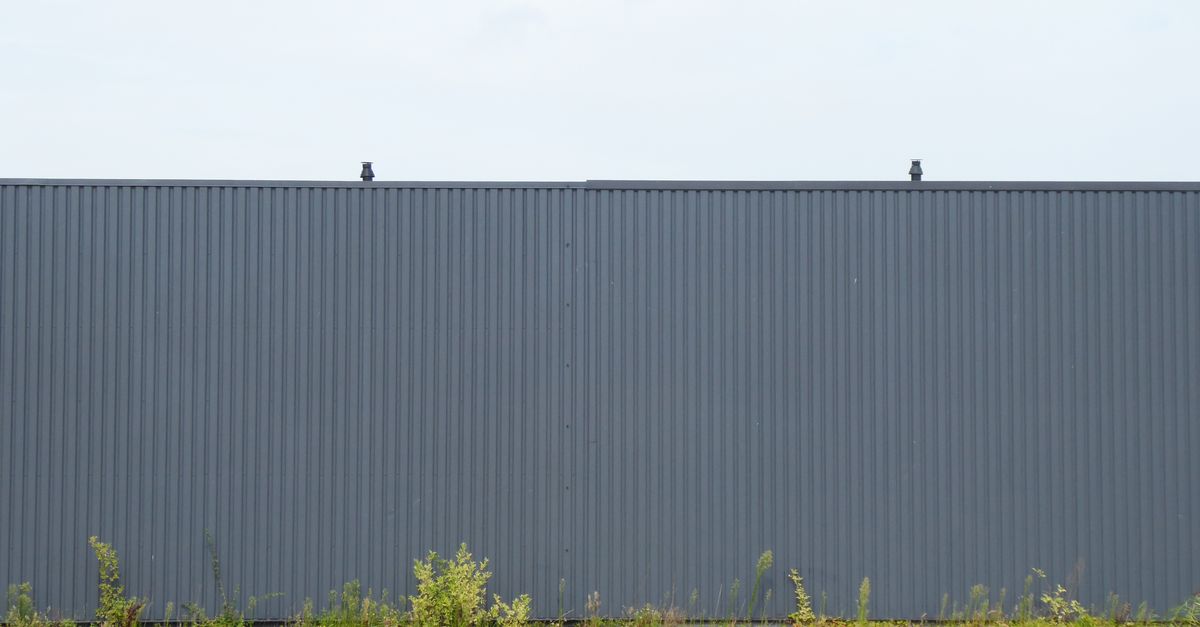
Managing Noise Disruption from Colorbond Fencing
Table Of Contents
Soundbarriers vs. Colorbond Fencing
When it comes to sound attenuation, sound barriers and Colorbond fencing serve different purposes and effectiveness levels. Sound barriers are specifically designed to reduce noise pollution, often utilising materials that absorb and deflect sound waves. In contrast, Colorbond fencing primarily focuses on security and aesthetic appeal, with noise reduction being a secondary benefit. The thickness and density of materials used in sound barriers can greatly enhance their capability to minimise noise, whereas Colorbond panels tend to have limited soundproofing properties.
Despite these differences, Colorbond fencing can still provide some degree of noise reduction depending on its height and installation method. When particularly tall panels are used in close proximity to the noise source, they can help disrupt the path of sound waves. However, the extent to which Colorbond fencing can effectively manage noise will vary based on the surrounding environment, the specific noise levels, and the design of adjacent structures. By understanding the distinct functions of these barriers, homeowners can make more informed decisions regarding noise management strategies on their properties.
Comparing Effectiveness for Noise Reduction
When considering fences for optimal noise reduction, various materials offer differing levels of effectiveness. Colorbond fencing, known for its solid construction and height, provides a substantial barrier against external sounds. Unlike some traditional wooden fences, which can warp and lose structural integrity over time, Colorbond remains resilient, ensuring consistent noise dampening. The flat surface of Colourbond reduces sound reflection, making it a more effective option compared to fences with more porous or irregular surfaces.
Sound barriers are often specifically designed to block noise, constructed using a variety of materials and designs. While they can outperform Colourbond in some scenarios, their installation can be more complex and costly. Additionally, sound barriers may require ongoing maintenance to maintain their effectiveness, while Colorbond often needs less frequent intervention. This distinction is crucial for homeowners considering long-term solutions for managing noise disruption effectively.
Installation Techniques for Better Noise Management
Proper installation of Colorbond fencing can significantly enhance its noise-reduction capabilities. Choosing the right location is crucial; placing the fence closer to the noise source can help mitigate sound disturbances more effectively. Ensuring that the panels are tightly aligned with minimal gaps helps to create a barrier that prevents sound from penetrating. Utilising materials that absorb vibrations during installation may enhance performance.
Furthermore, incorporating dense, solid foundations can contribute to the overall stability and effectiveness of the fence. Installing the fence at an optimal height can also play a role in reducing noise levels from various angles. Using a combination of techniques such as staggered panel joints and strategically placed acoustic treatments may provide additional benefits, allowing the Colorbond fence to serve as a more efficient sound barrier in residential settings.
Best Practices for Fencing Installation
Proper preparation before installation is essential for ensuring effective noise management. Start by conducting a thorough site assessment to identify specific noise sources and the optimal positioning of the fence. Consideration of the fence's height and angle will influence its sound-dampening capabilities. It's vital to install the fence on a flat base, as uneven ground can create gaps that may allow sound to penetrate. Additionally, using high-quality materials enhances durability and noise reduction.
Selecting the right spacing between fence panels is another crucial factor in maximising performance. Aim to minimise gaps where sound can travel through, as tighter installations can significantly improve noise blockage. Where possible, integrating landscaping features such as shrubs or earth mounds alongside the fence can further enhance its noise-mitigating qualities. Ensuring that the fence is securely anchored will help it withstand adverse weather conditions while maintaining its structural integrity over time.
Regular Maintenance for Optimal Performance
To ensure the longevity and effectiveness of Colorbond fencing in noise reduction, regular maintenance is key. Inspecting the fence for signs of wear and tear should be part of a homeowner's routine. This may include checking for rust, loose panels, or gaps that could allow sound to seep through. Addressing minor issues promptly can prevent them from escalating into major problems, which can compromise both structural integrity and noise control.
Cleaning the fence is equally important. Accumulated dirt and debris can affect the material's ability to reflect sound effectively. A simple wash with mild detergent and water can maintain the surface's condition. Regular maintenance not only enhances the fencing's appearance but also maximises its performance as an effective sound barrier in residential settings.
Caring for Your Colorbond Fence
Regular cleaning is essential for maintaining the appearance and functionality of a Colorbond fence. To remove dirt and grime, a simple wash with soapy water and a soft brush will suffice. Rinsing thoroughly with clean water ensures that no soap residue remains. Inspecting your fence periodically for signs of rust or damage helps to identify potential issues early.
In areas with heavy organic debris, such as leaves and pollen, it’s advisable to keep the fence clear to prevent moisture accumulation. A proactive approach to repairs, such as addressing any scratches or dents promptly, can significantly extend the life of the fence. Applying a protective coating can be beneficial in harsh weather conditions, ensuring that the Colorbond finish remains vibrant and intact.
FAQS
What is the main purpose of using Colorbond fencing for noise reduction?
Colorbond fencing serves as a sound barrier, helping to reduce external noise disruptions and providing a more peaceful environment for your property.
How does Colorbond fencing compare to other sound barriers?
While Colorbond fencing offers good noise reduction, other sound barriers like solid walls or specialized acoustic fencing can provide more effective sound insulation depending on the specific noise levels and types.
What are the best practices for installing Colorbond fencing to manage noise?
To effectively manage noise, ensure that the fence is installed with minimal gaps, use a solid foundation, and consider adding sound-absorbing materials or landscaping elements nearby.
How often should I maintain my Colorbond fence for optimal noise performance?
Regular maintenance is recommended at least once a year, including inspections for damage, cleaning, and touch-ups to paint or protective coatings to ensure it continues to function effectively as a noise barrier.
Can I improve the noise reduction capabilities of my Colorbond fence after installation?
Yes, you can enhance noise reduction by adding features such as landscaping, like thick shrubs or hedges, or attaching sound-absorbing panels to the fence, which can help to further dampen sound.
Related Links
Dealing with Insect Infestation in Colorbond FencingSolutions for Bent or Damaged Colorbond Sheets
Solutions for Bottom Rail Problems in Colorbond Fencing
Repairing Base Issues in Installed Colorbond Fencing
How to Handle Colourbond Fencing Wind Damage